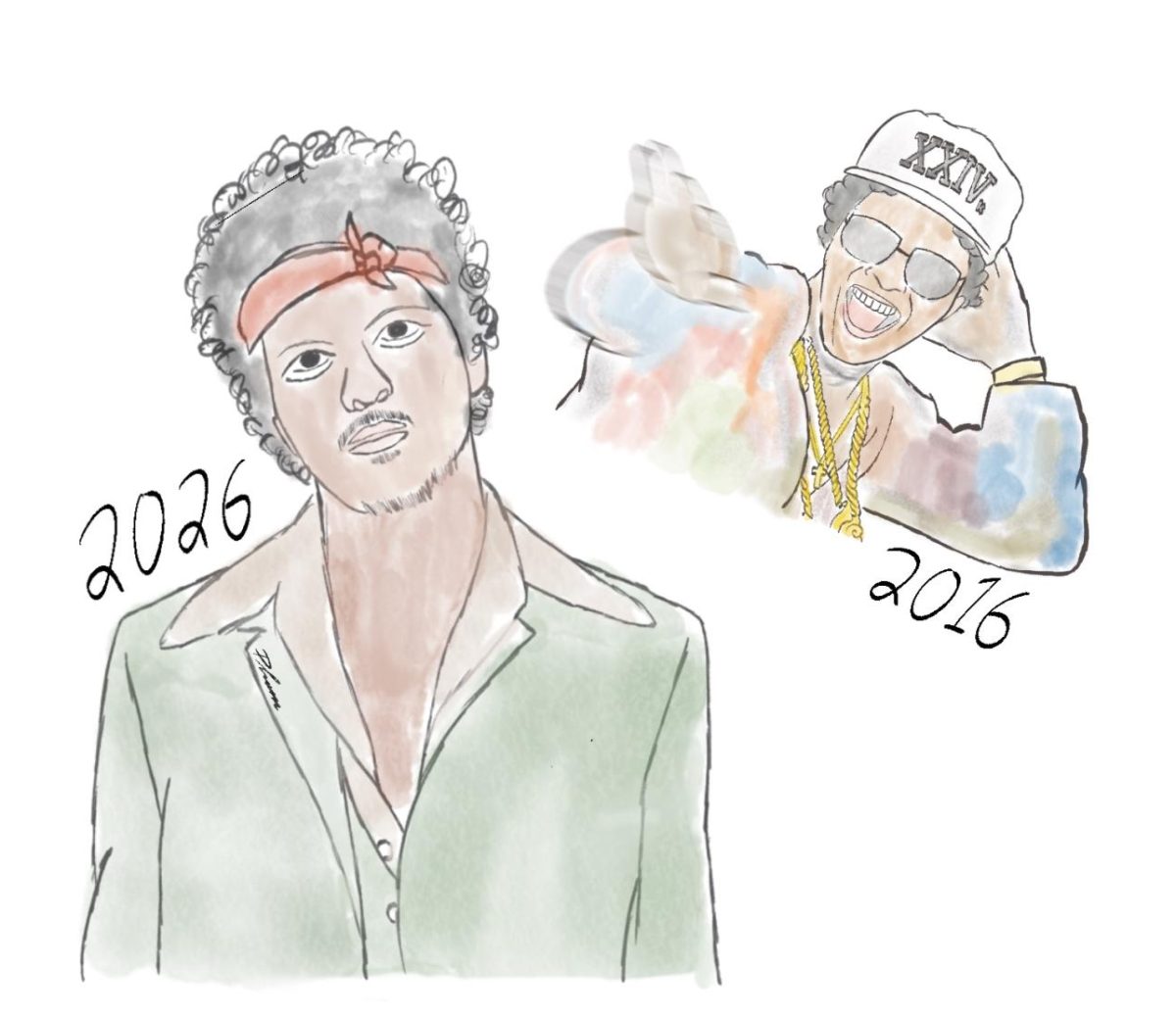



The world of entertainment has experienced a substantial transformation in its core since the inception of social media platforms. In 2020, the global pandemic accelerated the metamorphosis, taking a center role as an effective and massive tool used by studios and traditional media outlets to deliver content to audiences, becoming the panacea to save an agonizing industry in times of social distancing. By 2020, digital recreational content and media had significantly developed since the launch in 2005 of YouTube, the “godfather” of digital platforms, aimed to provide on-the-go video content.
As consumers gradually became enchanted by the digital Pied Piper allure of social media instant gratification, feedback, and a cure to brewing never-ending generational boredom, mandatory quarantine was the catalyst to an unthinkable, permanent shift in how consumers enjoy leisure. The need to be seen and heard increases as accessibility to high-tech and more refined platforms and equipment becomes available to spectators, participants, players, and performers in the comfort of their own homes, sparking curiosity and thirst for instant fame. At that point, anyone with high-speed internet, a smart device, and the ability to share their everyday experiences turned into an influencer with growing communities of people accessing on demand and free of charge to the content that they introduce digitally to the world. Virtual villages of followers formed around a novel generation of trendy domestic jesters and minstrels, who quickly evolved into an overnight sensation, and with that, the golden marketing opportunity to monetize on the success, with the bona fide help of the algorithm, a perfect storm that gave them their moment to shine. The communities/villages evolve exponentially, and the internet personalities hailed from the virtual world claim their spot on red carpets and events. At the beginning, those once ordinary people with no previous preparation or apparent talent were received with mixed reviews by their peers in the traditional world of entertainment, but as the flow of revenue weakened in amount and box office power and the engagement and popularity proportionally linked to the amount of followers across social media platforms TikTok, YouTube, Snapchat, Instagram, twitch the once rookies of domestic digital villages became the main players in the massive city of the cosmopolitan world of entertainment of virtual content leading the trends, attracting the investors and being the blue print and pillars of the entertainment industry as a whole since the beginning of 2026. As the traditional ways to perceive and enjoy art and entertainment retreated and reinvented themselves to survive the ostracism of social media platforms powered the making and revenue of how people spend their recreational and non-recreational time.
Social media news offers empty ‘Tok’
Donate to Viator Voice
$50
$500
Contributed
Our Goal
Your donation will support the student journalists of Saint Viator High School. Your contribution will allow us to purchase equipment and cover our annual website hosting costs.
More to Discover