

Sports fans love to say they’re in it for the long run, but sometimes the long run feels more like a marathon nobody signed up for. Whether it’s a game stretching deep into extra innings or a match dragging on long after sunset, everyone has an opinion on how long a sports game should be. So how long is too long? When do players, fans and coaches start checking the clock instead of the scoreboard?
Sports are supposed to be exciting, fast-paced, and full of energy. But let’s be honest, some games last so long the fans start wondering if time has stopped. This is where the debate really starts. Take softball, for example, a sport all too familiar with this problem. Softball is usually a quick, rhythmic game with fast innings, smart plays and nonstop movement. But when a game goes to extra innings or one inning drags on forever, players suddenly find themselves fighting a mental battle as much as a physical one. Anyone who has stood in the outfield during a 35-minute inning knows the feeling of staring at the sky thinking, “Wow, this is still going on?”
Softball players especially understand “tournament time,” which has its own rules of reality. They show up at 7 a.m. expecting two games, and by the end of the day, they’ve played four or five, eaten nothing but sunflower seeds, and feel like their legs are two seconds away from quitting. This is when the length of a game doesn’t just test their patience, it tests their endurance.
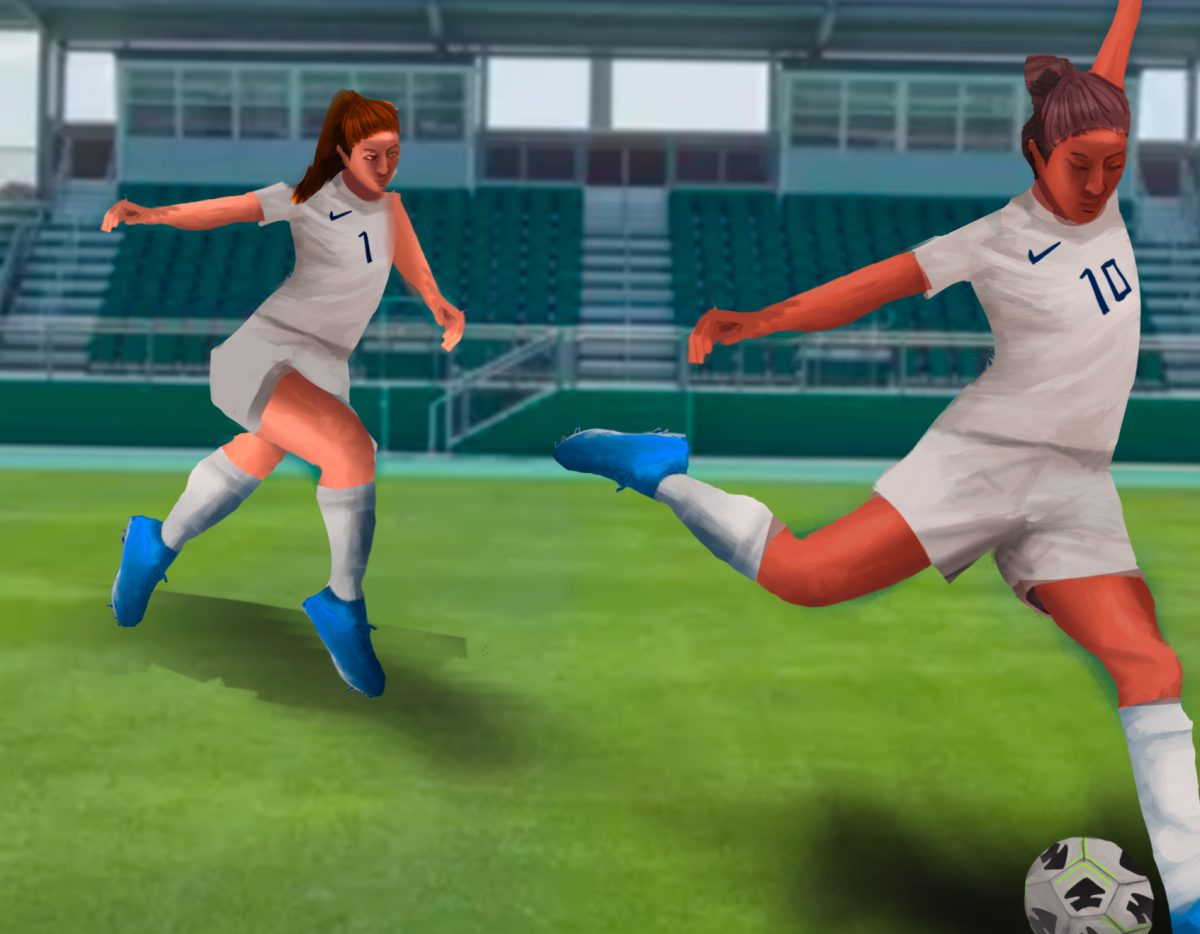
But softball isn’t alone. Football games regularly stretch past three hours with constant pauses, reviews, and commercial breaks. Even the most dedicated fans start noticing how long it takes for one quarter to finish. Basketball games are quicker, but everyone knows the last minute of the fourth quarter can feel like the longest part of the whole experience, and soccer, while usually predictable with its 90-minute structure, can still push the limit with overtime or penalty kicks.
The length of games isn’t just a issue with fans. It’s involves players, too. Longer games mean more fatigue, more mistakes, and more emotional ups and downs. In softball, especially, a long game can completely change things. Pitchers get tired, defensive energy drops, bats slow down, and momentum shifts simply because players are drained. They can feel when a game has gone on too long by how heavy the dugout feels.
“Honestly, I don’t think sports games should be longer than an hour,” said junior Juliette Sheldon, who plays volleyball. “After that, the energy changes. People get tired, players lose focus, and it stops being fun.” Her view reflects something many student-athletes feel but might not say: long games can start to pull the joy out of the sport. So where is the line? When does a game go from thrilling to tiring?
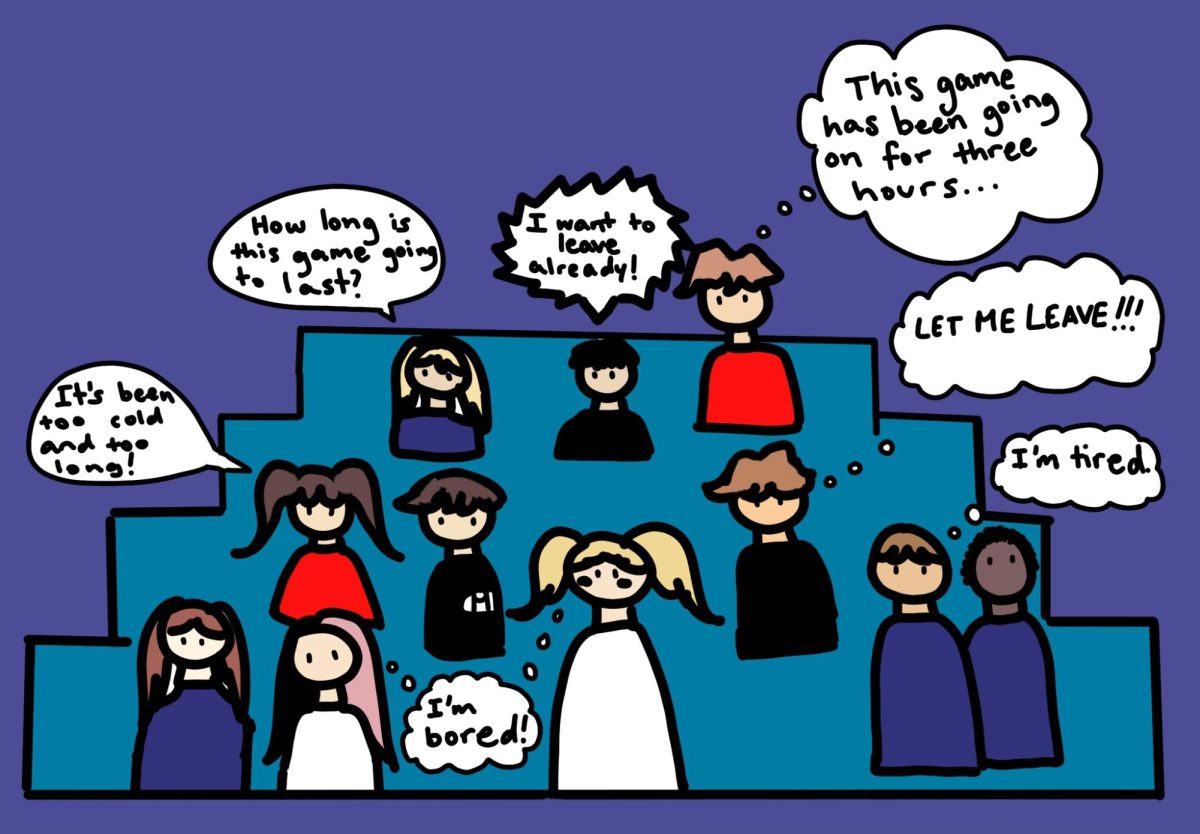
The truth is, if a game is close, high-energy, and full of big moments, time almost doesn’t matter. Softball games feel electric when they stay competitive and go into extra innings. The dugout is loud, and every pitch feels like it could change the outcome, but when the pace slows, there are too many timeouts, long delays, dragging innings, slow play or a lopsided score, the excitement drains. The crowd gets quieter. Players stop cheering. Coaches start pacing. Parents start silently calculating how long it will take to get home. This is when the game crosses the line from “fun” to “please let this end.”
Student-athletes feel it too. They still have homework, studying, jobs or early wake-ups. A game running too long can throw off an entire night. Teachers notice it, parents feel it, and players live it. This is why so many sports leagues are looking for ways to keep games exciting but not endless. Baseball added a pitch clock. Basketball limits timeouts in certain situations. Softball uses international tiebreakers in tournaments to keep games from spiraling into five-hour battles. Everyone is trying to find the balance.
Maybe the sweet spot is when a game is long enough to tell a story but not so long as to feel like a full-time job. Enough time for comebacks, clutch moments, energy swings and excitement, but not so much time that the bleachers become torture devices.
At the end of the day, people love sports for the energy, the chaos, the tension, the cheering and the memories. A great game makes fans and players forget the clock. A slow one makes them glare. So maybe the best answer is simple: a sports game is too long when it stops feeling alive, when the spark is gone, when players look tired instead of fired up, when fans stop cheering and start yawning. But when the game is tight? When the energy is high? When teams are fighting for every moment? Nobody cares what the clock says.
How long is too long for a sports game?
Donate to Viator Voice
$50
$500
Contributed
Our Goal
Your donation will support the student journalists of Saint Viator High School. Your contribution will allow us to purchase equipment and cover our annual website hosting costs.
More to Discover